

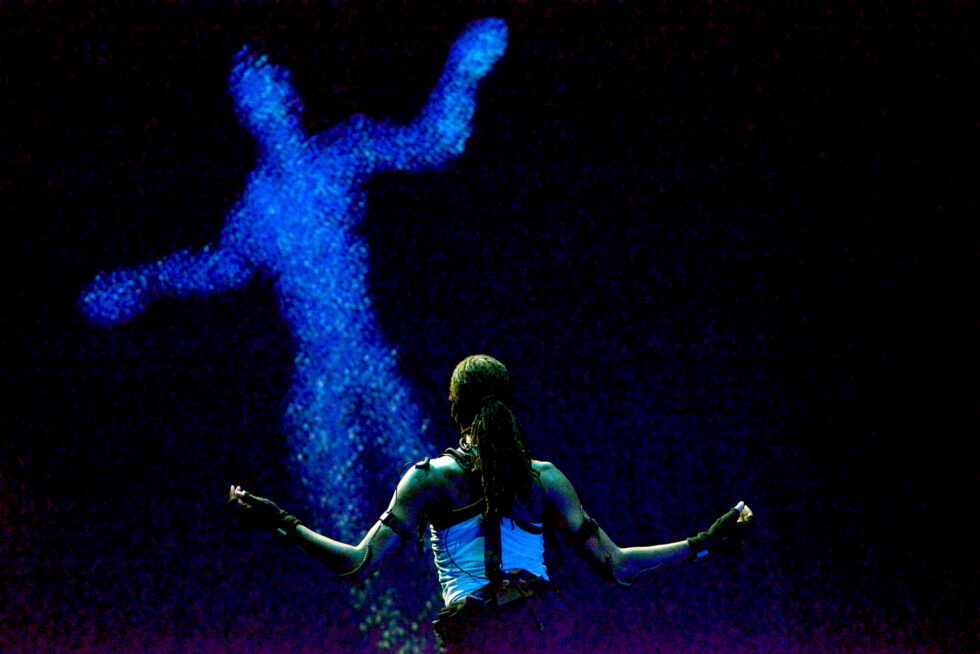
Firstly, the use of AI is rapidly increasing, and it is influencing both technological and creative industries. Moreover, AI is now applied in almost every branch of dance, and it is even used to generate choreography. Additionally, AI supports rhythm analysis, motion analysis, and performance interpretation. Consequently, digital dance performances are becoming more common, and dancers are actively embracing these innovations.
Furthermore, the connection between dance and Artificial Intelligence is becoming clearer as technology evolves. Likewise, both fields focus on movement, rhythm, creativity, and interpretation. While dance expresses emotion through physical motion, AI analyzes patterns and behaviors. Therefore, AI can understand or even generate new forms of artistic expression.
The General Connection Between Dance and Artificial Intelligence-AI In Dance and Choreography
In addition, when dance and AI come together, they create innovative spaces where artistic performance meets technological precision. As a result, this collaboration helps dancers explore new techniques. Similarly, it enhances choreography through data-driven insights. Consequently, these innovations open the door to performances that blend physical artistry with digital imagination.
As AI technologies continue to advance, choreographers can generate unique movement sequences. Through this, they can analyze motion patterns more deeply. Moreover, machine learning algorithms study thousands of dance videos. Hence, AI identifies rhythm structures and learns stylistic patterns that inspire new choreography.
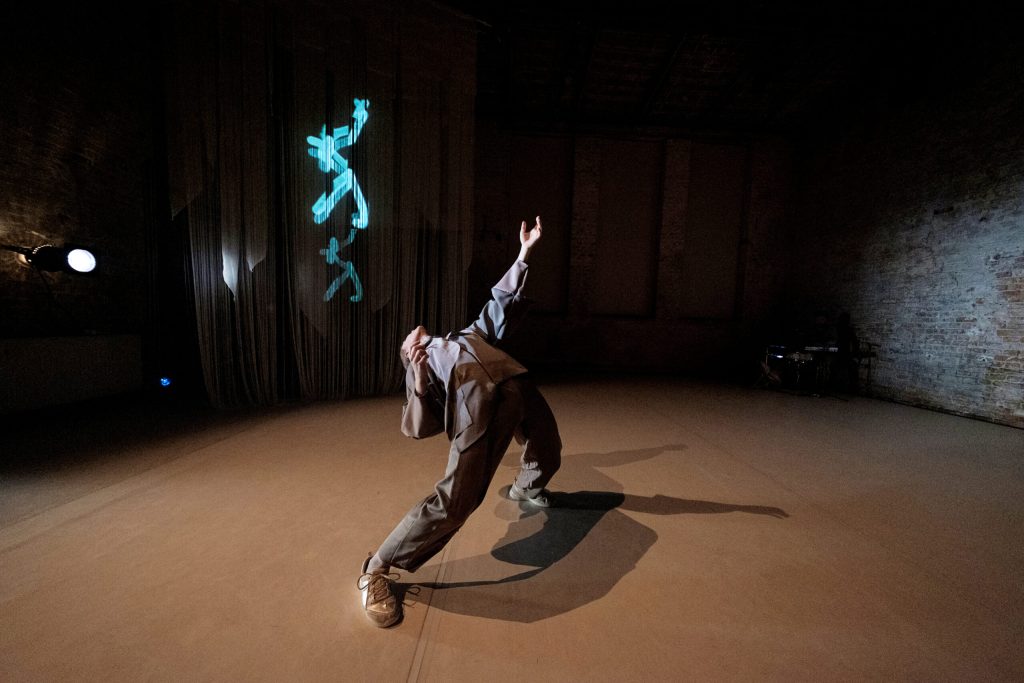
In professional dance environments, AI-powered motion-capture systems help dancers improve their technique. Additionally, these tools provide real-time feedback on posture, balance, timing, and alignment. Moreover, AI-generated visuals and virtual dancers make digital performances increasingly popular. As a result, immersive stages now allow humans to interact with algorithmic movement in real time.
Ultimately, these collaborations expand artistic expression. Additionally, they encourage dancers to explore hybrid forms combining physical performance with digital creativity. Finally, because AI supports injury prevention and personalized training, dancers can detect imbalance earlier—ensuring a future where technology enhances creativity.
If you are interested in travelling with AI you can check this page.


Leave a Reply